

FlowOps360™ Resource
Buyer Signal Price Testing & Packaging Template
A practical template to validate pricing and packaging decisions using real buyer signals — not internal debate.
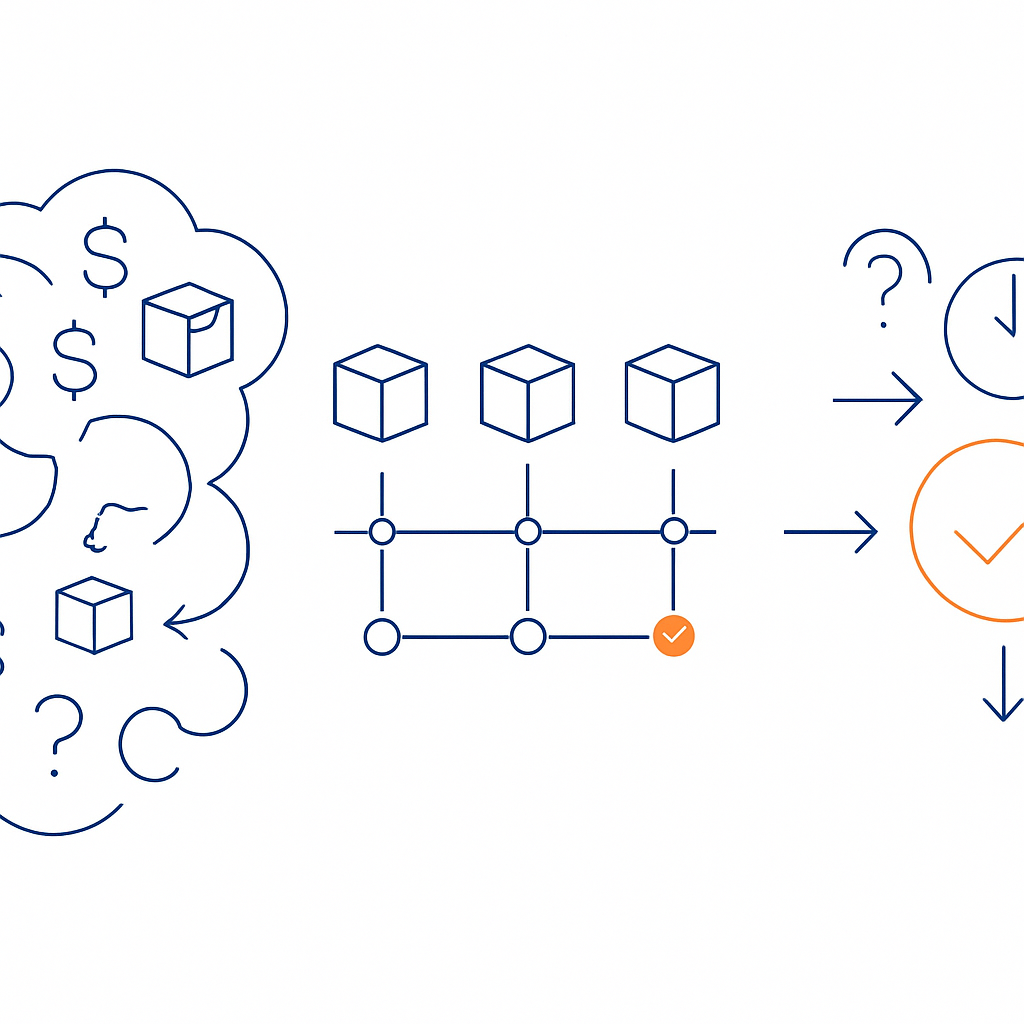
Most B2B teams believe their pricing and packaging decisions are rational, often anchored to competitors or internal comfort. Very few can confidently say they have tested those decisions using real buyer behavior. This template exists to prevent making pricing and packaging choices based on internal assumptions instead of external evidence.
Who This Resource Is For
- B2B service businesses and SaaS companies: Scaling their offer structure.
- Founders and operators: Responsible for sustainable pricing models.
- Fractional CFOs, COOs, and CROs: Supporting go-to-market decisions.
- Teams: Facing discount creep, pricing resistance, or stalled deals.
This is a buyer-signal validation tool, not a strategy calculator.
How the Template Works
1. Define Hypothesis
Clarify whether you are testing sensitivity, scope, commitment, or perceived value.
2. Introduce Variations
Test one change at a time, such as package framing or pricing anchors, without bait-and-switch.
3. Observe Signals
Track objections raised, questions asked, and time-to-decision patterns.
4. Decide on Evidence
Compare signals across tests to make an intentional adjustment—or no adjustment at all.
Fictional Fractional CFO Firm
| Test Variation | Buyer Signal Observed |
|---|---|
| Single High-Price Package | Long sales cycles and consistent scope pushback. |
| Two-Tier Package | Faster decisions and significantly fewer objections. |
| Optional Add-ons | Clear signals on which components buyers actually valued. |
The issue was not price—it was packaging clarity. Simplifying offers reduced discounting and increased close confidence without lowering rates.
What the Output Means
The template is designed to surface directional truth, not perfect answers.
- One test is not a conclusion: Look for patterns across interactions.
- Hesitation is data: Objections reveal the gap between value and price.
- Trust matters: If a test creates confusion, the test is flawed—not the buyer.
Good tests increase clarity. No signal is better than assumed certainty.
Stop Guessing. Start Listening to Buyers.
Treat pricing and packaging as learning systems, not static decisions.