Set the expectation at signing, give every transfer one owner, and call it funded only when the custodian's record shows it. New clients don't judge the transfer by how fast it moves. They judge it by whether the firm told them what to expect and then kept that word. FINRA's typical window, six to 10 business days without problems, is the floor; your own history sets the promise.
Get the 6-Stage Checklist
Find the first stage with no proof in the record. That's where your households wait. Then fix one stage in 30 days.
Get the free 6-Stage ChecklistWhy does the ACATS transfer matter more than the paperwork suggests?
Most firms treat the transfer as back-office paperwork. The new client treats it as the first proof that they chose well.
Think about where they are. They just said yes. They signed. Now their money sits between two firms, and they can't see any of it. Every day without word, they wonder.
That stretch decides more than one account. It decides whether the held-back IRA follows, whether the spouse's accounts come over, and whether the person who referred them hears good news or a complaint.
Signed is a promise. Funded is the business.
What keeps new clients guessing during a transfer?
It isn't the rule, and it isn't the custodian. It's transfers left to memory and inboxes, and they keep new clients guessing.
- What goes wrong: No single person owns the transfer. No date was promised at signing. A rejected request sits for days until the client calls to ask.
- How it feels: The advisor chases operations, operations chases the custodian, and the client starts to wonder whether they made a mistake.
- Why it's wrong: A client should never have to ask where their money is.
What do you need to know to keep the promise?
The promise is yours. The rules set the floor under it. Three practices shape the window you give a new client.
For planning-only clients nothing transfers. The Funding stage is met when the agreed plan is delivered, and the rest of this section doesn't apply.
Build the window from your own history
Promise the window your firm has actually hit, with room for one restart. The floor beneath it: under FINRA Rule 11870, the firm holding the account has one business day to accept or reject the request and three business days after that to complete it. FINRA's task force report puts a typical transfer at about six to 10 business days when there are no problems.
Prevent restarts at signing
Match the transfer form to a recent statement, and review that statement for holdings the new custodian can't hold. The client often won't know which ones those are; your team should. Settle with the client what happens to them before the request goes in. Each restart costs days against your promise: ACATS rejects requests whose data doesn't meet its requirements, and assets the new firm can't hold need the client's instructions first.
Treat a partial transfer as the next conversation
Note on the client's record what stayed behind, and why. ACATS handles full and partial transfers alike, so a partial transfer is the client's choice, and the held-back account is one you can still earn.
How do you set the expectation and keep it?
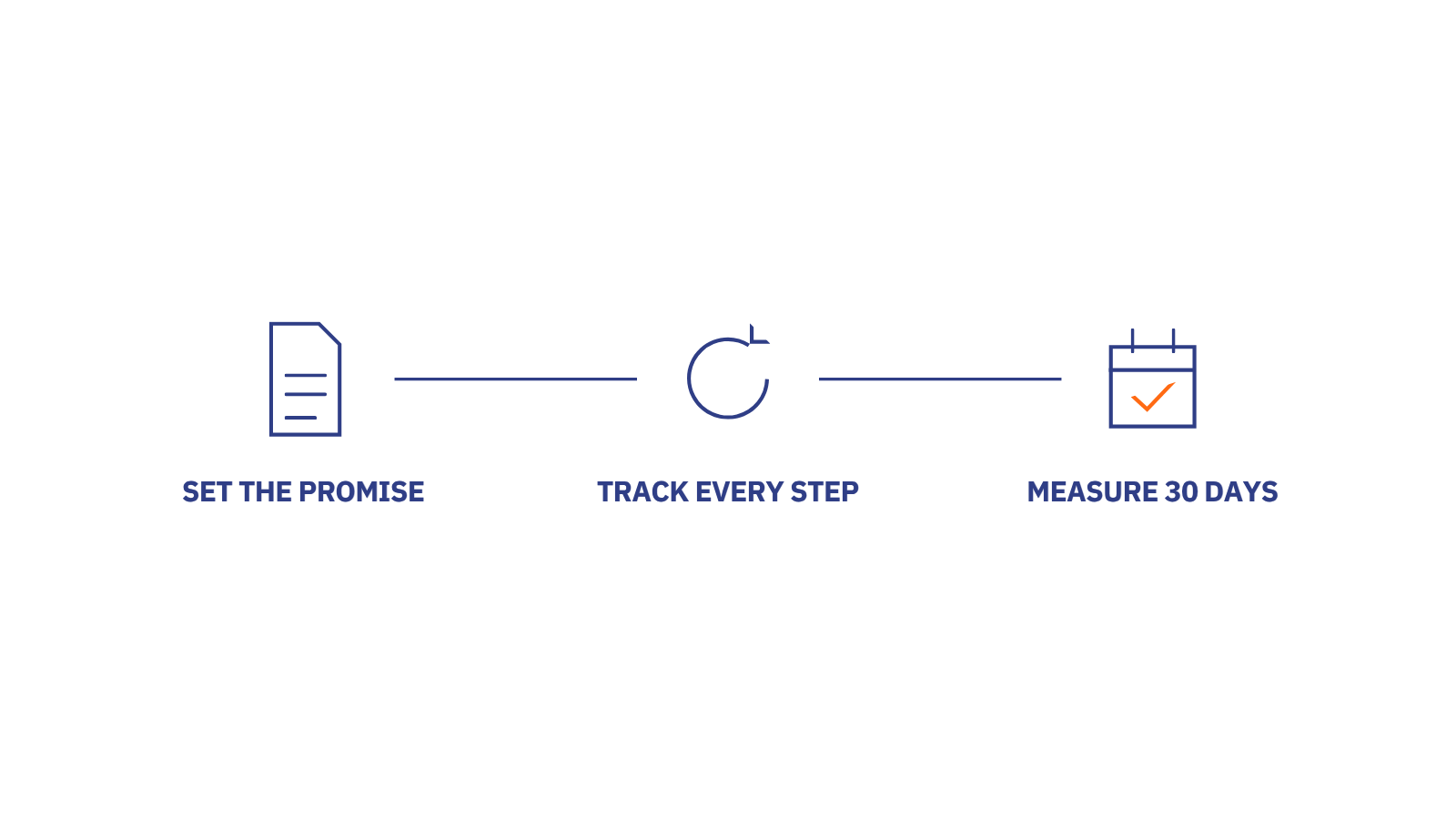
- Set the promise at signing. Before the transfer request goes in, tell the client the realistic window, what could slow it down, and who will keep them updated. Write that promise down where your whole team can see it.
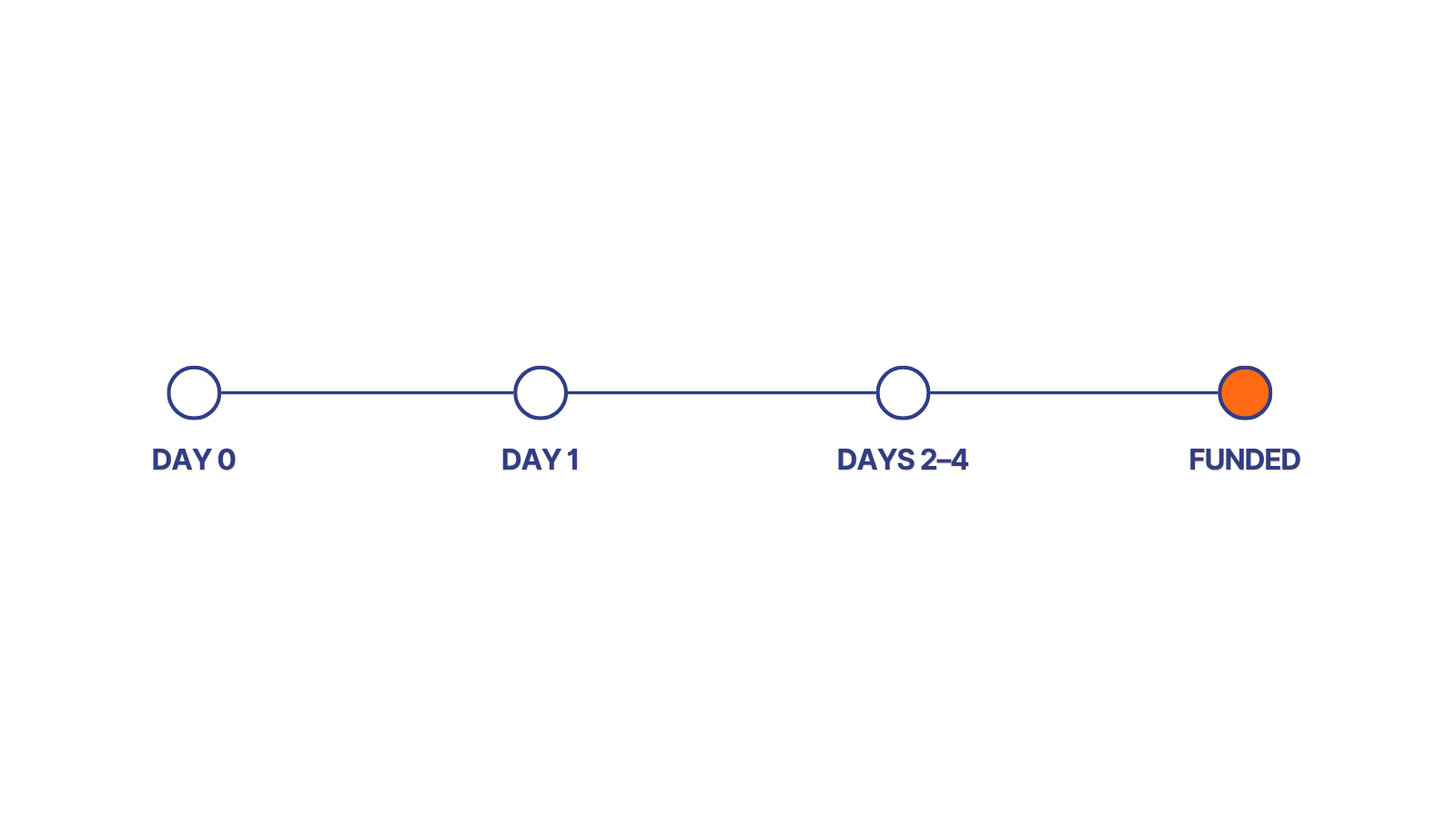
- Run every transfer the same way. One owner and the same checkpoints every time: request submitted, accepted, assets received, funded. "Funded" means the custodian's record shows the money, not an email saying it's on the way. A rejection gets caught the day it happens, not the day the client calls.
- Measure it for 30 days. Count promises kept on time against promises due. Track how long transfers actually take, by custodian and account type. After 30 days, the next promise rests on your own numbers, not a guess.
Our promise to you: you'll know it works before you rely on it. Every stage is tested with sample households and signed off by your team.
Why isn't a task list enough?
A task list tells you something needs doing. It can't tell you what you promised this client, how long their transfer has been open, or how long transfers at your firm usually take.
A client record can. When every transfer lives on the client's record (the promise made, each checkpoint, the date funded), your team answers from facts, not memory. Your record holds the promise; the custodian's record proves it was kept. When the two don't match, someone follows up before the client asks. The next new client gets a timeline built on your own history.
That's what the onboarding piece of the RIA Client Engine delivers: every new household tracked from signed to funded, with the promise and the proof in one place.

What happens if nothing changes?
- A new client starts doubting the firm in the first month.
- Held-back accounts never make the move.
- The referral partner hears about the silence before you do.
- Your team keeps answering the same "where is it?" call.
What does it look like when it's done right?
- Clients know what's coming and then watch it happen.
- Every promise made at signing is kept, and it's on the record.
- Held-back and family accounts follow.
- Referral partners hear good news.
You stop chasing transfers. You run a firm that clients trust from day one.
Frequently asked questions
How do you set client expectations for an account transfer?
At signing, give the client the path, the duration and the outcome: what they need to do, how long it will take, and how they'll know it's done (Altruist frames it the same way). FINRA's typical window is six to 10 business days when nothing goes wrong. Treat that as the floor and promise the window your firm has actually hit. Then put the promise on the client's record, so anyone on the team answers the next call the same way.
Who on an RIA team should own account transfers?
One named person for each transfer, not "operations". The owner watches every checkpoint (submitted, accepted, assets received, funded) and reaches the client before the client has to ask. Ownership is what turns a process into a promise kept.
How do RIAs track ACATS transfers and catch the ones that stall?
Give every transfer dated checkpoints on the client's record: submitted, accepted, assets received, funded. Mark it funded only when the custodian's record shows it. FINRA Rule 11870 gives the old firm one business day to accept or reject, so no answer after that means a follow-up the same day. A firm that tracks checkpoints finds the stall first. A firm that relies on inboxes hears about it from the client.
What onboarding numbers should an RIA track?
Track three: promises kept on time out of promises due, days from signed to funded, and how much of the committed assets actually arrived. RIA Intel reported that nearly half of the largest wealth managers weren't tracking how many clients agree to come on board but never sign or fund. Your own numbers are what make your next promise honest.
How do you keep held-back assets from staying behind?
Record what the client committed at signing and what actually arrived. The gap is not a closed file; it's the next conversation. A client who watched the first transfer go exactly as promised has a reason to move the rest.
How do you keep a transfer from restarting?
Catch the causes at signing. Match the form to a recent statement, and review the statement for holdings the new firm can't hold, because the client often won't know. ACATS rejects requests with data that doesn't match, and those holdings need the client's instructions before they move.
We know the call where a new client asks where their money is. We co-founded a practice with multiple advisors and staff serving more than 450 households, and we ran these transfers ourselves.
Without a promise set at signing and one owner, the first thing a new client learns about your firm is to wait. With them, the transfer is the first promise you keep.
Where do you start?
Find the first stage with no proof in the record, then fix one stage in 30 days.
Get the free 6-Stage ChecklistBook a free Discovery Call