
Why a Clean Sales Process Matters
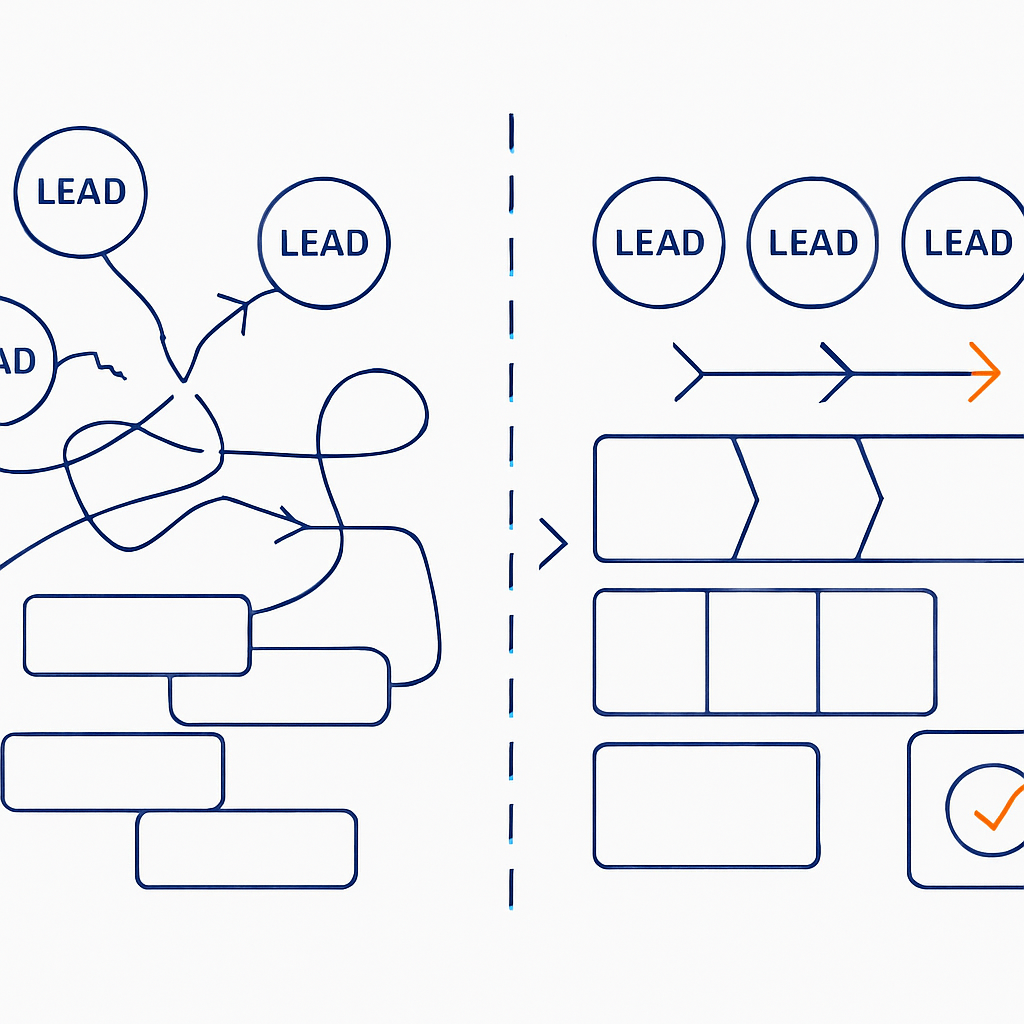
Many businesses struggle to manage their sales process. Leads slip through the cracks. Handoffs feel inconsistent. Teams work hard but results don’t match the effort.
If that sounds familiar, you’re not alone — and it is fixable.
In this guide, you’ll learn:
- Why a clear sales process matters
- How to spot what’s breaking down
- Practical steps to create a system that actually works
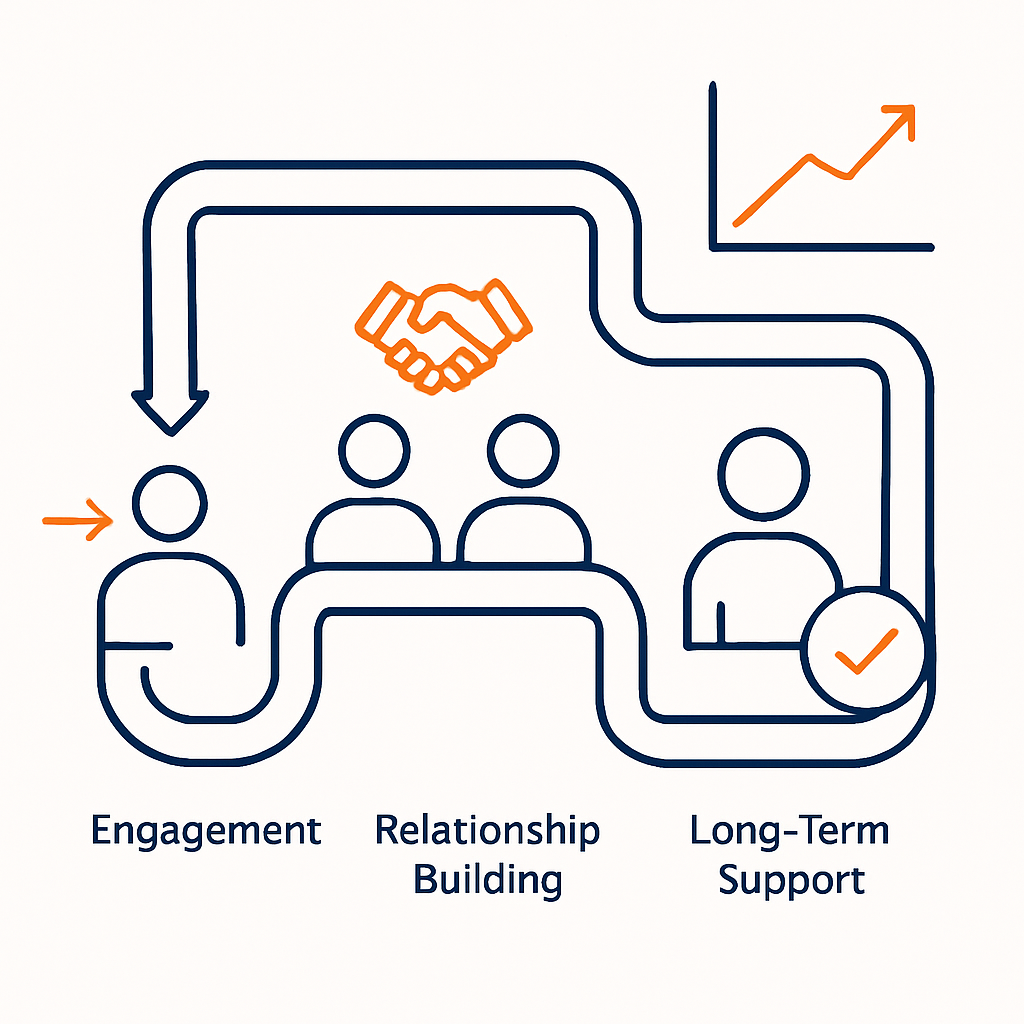
A strong sales process leads to better lead management, stronger customer relationships, and consistent growth.
Why a Clean Sales Process Is Your Secret Weapon
Think of your business like an airplane. As described in the Business Made Simple framework, sales is one of the two engines that keeps it in the air. When that engine is tuned and reliable, everything else runs smoother.
A sales process is simply a clear, repeatable set of steps that guides your team from first contact to closed deal.
When it’s well defined, you get:
- Consistency – Everyone follows the same playbook, so fewer leads are lost
- Clarity – Leaders can see what’s working and where deals stall
- Better communication – Fewer handoff issues and faster problem-solving
Signs Your Sales Process Needs a Tune-Up
Before fixing anything, you need to know what’s broken. Common warning signs include:
- Vague steps – Reps aren’t sure what to do next
- Poor lead management – Leads aren’t categorized or followed up consistently
- Technology before strategy – Tools are in place, but no one uses them well
- Lack of training – Reps feel unsure, frustrated, or disconnected from the system
How to Build (or Fix) Your Sales Process
The key rule: define the process first, then support it with tools.
Step 1: Map Your Current Process
Document how leads come in, how they’re handled, and how deals close today. This helps you spot bottlenecks and confusion. You can’t fix what you can’t see.
Step 2: Clearly Define Each Stage
Every stage should be obvious and repeatable. At a minimum, define:
- Lead generation – Where leads come from
- Qualification – What makes a lead sales-ready
- Closing – How deals are finalized
Clarity here prevents chaos later.
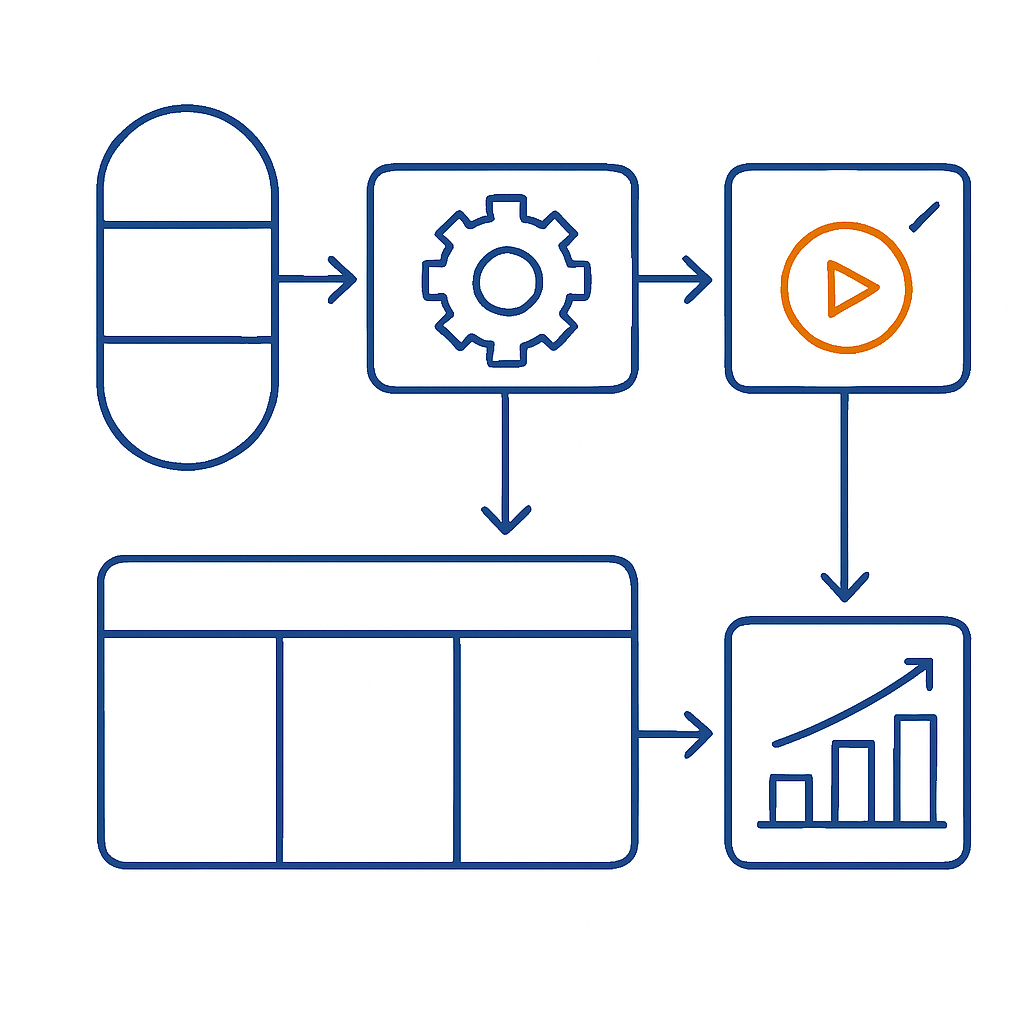
Step 3: Use Technology to Support the Process
Once your process is clear, technology becomes powerful instead of overwhelming.
- Use a CRM that matches how you sell
- Automate follow-ups and scheduling
- Reduce manual work so reps can focus on selling
Step 4: Measure What Matters
Track simple metrics to know if the system is working:
- Lead conversion rate
- Sales cycle length
- Customer experience and satisfaction
Getting Your Team on Board
A sales process only works if people actually use it.
- Train your team regularly
- Explain why changes matter
- Create feedback loops so reps can share what’s working and what isn’t
Adoption beats perfection every time.
Where to Go Next
A clean sales process creates momentum. Customers have better experiences. Reps feel confident. Leaders see the truth.
If you’re ready to stop losing leads and start building a reliable pipeline, we built FlowOps360™ for exactly this purpose.
It’s designed for leaders who want clarity, structure, and a sales system that actually gets used.
If you want help turning this into a landing page, blog post, or sales guide, I can do that next.